
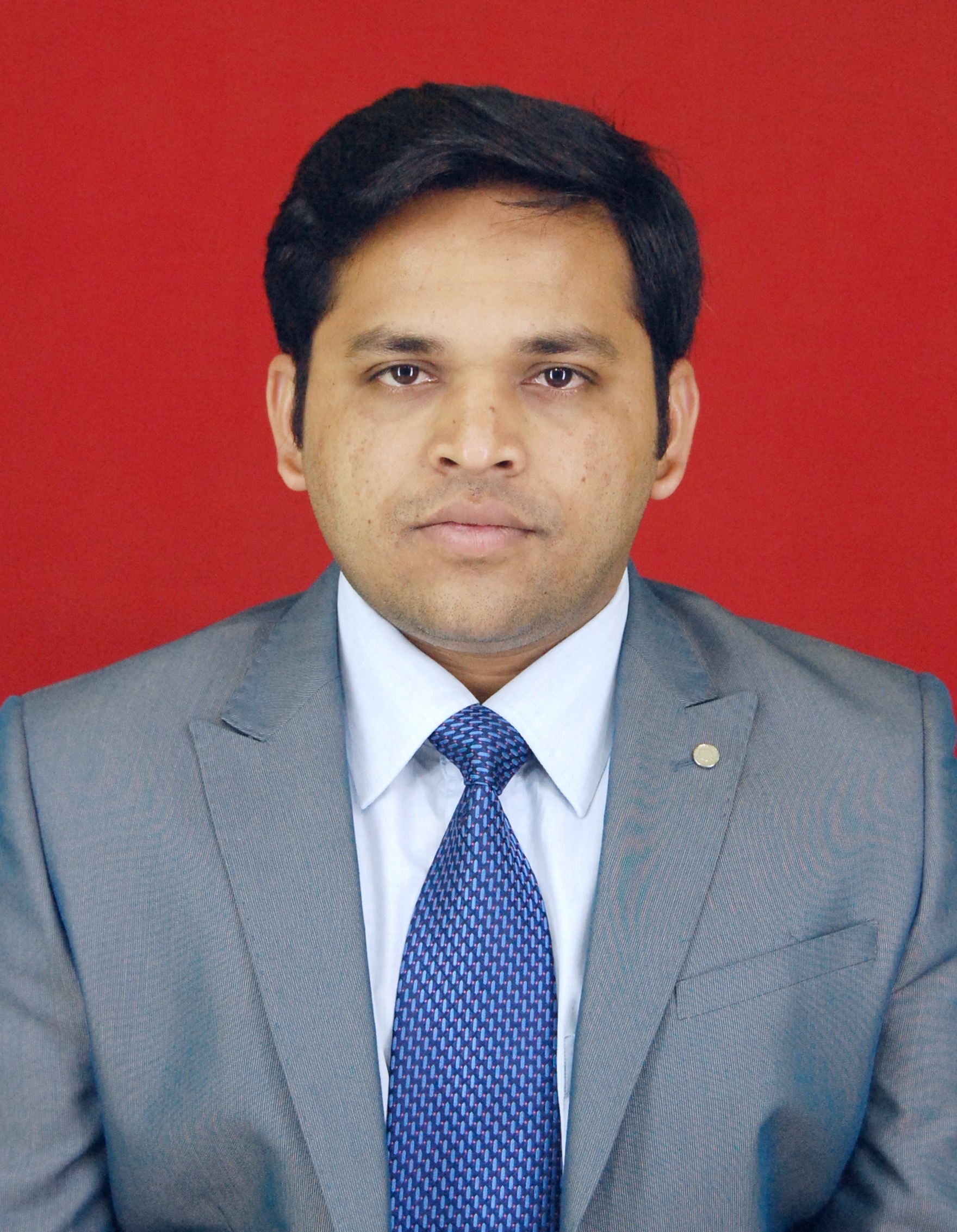
 Dr Md Munnawar S Hussain
Key takeaways
- Addiction is a treatable medical condition, not a personal failing.
- Recognising symptoms like loss of control and cravings is crucial for early intervention.
- Psychiatrists offer comprehensive treatment including medication, therapy, and relapse prevention.
- Dr Md Munnawar S Hussain, a Kalburgi-based neuropsychiatrist, provides expert online de-addiction support.
- Seek urgent in-person care for severe withdrawal symptoms or life-threatening situations.
- Self-care practices like a healthy routine and stress management support recovery.
Understanding Addiction: More Than Just a Bad Habit
Addiction is a chronic disease that affects the brain's reward, motivation, and memory systems. It is not simply a lack of willpower; rather, it is a medical condition that requires proper diagnosis and treatment. Anyone can develop an addiction, regardless of their background or social status.
It can manifest in various forms, including addiction to alcohol, tobacco, illicit drugs, and even certain behaviours like gambling or excessive screen time. Recognising addiction as a health issue is the first step towards seeking effective treatment and achieving recovery.
- Addiction is a treatable medical condition, not a moral failing.
- It affects the brain and can lead to compulsive substance use or behaviour.
- Common addictions include alcohol, tobacco, drugs, gambling, and screen use.
Recognising the Signs: Symptoms of Addiction
Identifying the symptoms of addiction early can make a significant difference in the recovery process. These signs often involve a change in a person's behaviour, priorities, and overall well-being. It is important to observe these changes in yourself or loved ones without judgment, as they are indicators of a deeper issue.
If you notice several of these symptoms, it may be time to consider seeking professional help for yourself or someone you care about. Early intervention can prevent the condition from worsening and lead to better outcomes.
- Loss of control over the amount or frequency of use.
- Intense cravings for the substance or behaviour.
- Neglect of important responsibilities at work, school, or home.
- Continuing to use despite clear negative consequences or harm.
- Developing tolerance, needing more to achieve the same effect.
- Experiencing withdrawal symptoms when trying to stop or reduce use.
How a Psychiatrist Helps with De-addiction
A psychiatrist, like Dr Md Munnawar S Hussain, plays a crucial role in the de-addiction process. They are medical doctors specialising in mental health, qualified to diagnose and treat addiction as a medical condition. Their approach is comprehensive, addressing both the physical and psychological aspects of addiction.
Treatment plans are often tailored to the individual's specific needs, considering the type of addiction, its severity, and any co-occurring mental health conditions. The goal is not just to stop the addictive behaviour but to help the person build a healthier, more fulfilling life.
- Diagnosing the type and severity of addiction.
- Prescribing medication to manage withdrawal symptoms and cravings.
- Providing psychotherapy (talk therapy) to address underlying issues.
- Developing personalised relapse-prevention plans.
- Treating co-occurring mental health conditions like depression or anxiety.
Online Consultation with Dr Md Munnawar S Hussain
For residents of Kalburgi, accessing expert care for addiction is now more convenient than ever through online consultations. Dr Md Munnawar S Hussain, a highly experienced Psychiatrist with over 17 years in the field, offers his expertise from the comfort and privacy of your home. This eliminates the need for travel, making it easier to start your journey to recovery.
An online session with Dr Md Munnawar S Hussain works similarly to an in-person visit. You can discuss your concerns, symptoms, and medical history, and receive professional advice, diagnosis, and a treatment plan. He is available during Morning (8 am to 12 pm), Afternoon (12 pm to 4 pm), Evening (4 pm to 8 pm), and Night (8 pm to 12 am) slots, offering flexibility to fit your schedule. Each minute of consultation costs ₹50.
- Connect with a qualified Psychiatrist from Kalburgi without leaving your home.
- Receive expert advice and personalised treatment plans.
- Benefit from Dr Md Munnawar S Hussain's 17+ years of experience.
- Enjoy flexible consultation timings throughout the day and night.
- Maintain privacy and comfort during your sessions.
Dr Md Munnawar S Hussain's Approach to Healing
Dr Md Munnawar S Hussain is a passionate neuropsychiatrist dedicated to 'listening and healing souls'. His approach goes beyond just treating the symptoms of addiction; he aims to help patients 'forget their pains and sorrows' by addressing the root causes and emotional distress often linked to addictive behaviours. With his extensive experience in Adult Psychiatry, Child and Adolescent Psychiatry, and Geriatric Psychiatry, he offers a broad perspective on mental health.
Specifically in Addiction Psychiatry, Dr Md Munnawar S Hussain provides comprehensive support. He also specialises in areas like Trauma counselling, Relationships Counseling, Marital counseling, and Employee counseling. This wide range of expertise allows him to offer holistic care, understanding how addiction can impact various aspects of a person's life and helping them rebuild their well-being.
- Specialises in Addiction Psychiatry and neuropsychiatry.
- Focuses on 'listening and healing souls' to address underlying pain.
- Offers comprehensive counselling for trauma, relationships, and marital issues.
- Provides support for all age groups, from children to seniors.
- Aims for holistic recovery, not just symptom management.
When to Seek Urgent or In-Person Care
While online consultations are highly effective for managing addiction, certain situations require immediate in-person medical attention. It is crucial to know when to seek emergency care to ensure safety and prevent serious health complications. Never hesitate to call for help if you or someone you know is in severe distress.
If you are unsure whether a situation is an emergency, it is always safer to err on the side of caution and seek immediate medical evaluation. Your health and safety are paramount.
- Severe alcohol withdrawal symptoms (shaking, confusion, hallucinations, seizures).
- Overdose on any substance (unconsciousness, difficulty breathing, unresponsiveness).
- Thoughts of self-harm or harming others.
- Acute psychiatric emergencies like severe psychosis or extreme agitation.
- Any life-threatening physical complications related to substance use.
Safe Self-Care Tips to Support Recovery
Alongside professional treatment, incorporating healthy self-care practices can significantly support your recovery journey. These tips are not a replacement for medical advice but can complement your treatment plan and help you manage daily stresses and maintain overall well-being. Small, consistent steps can make a big difference.
Remember, recovery is a journey, not a destination. Be patient and kind to yourself, and celebrate small victories along the way. Your commitment to self-care is an important part of building a healthier, addiction-free life.
- Maintain a regular sleep schedule and healthy diet.
- Engage in regular physical activity, such as walking or yoga.
- Practice mindfulness or meditation to manage stress.
- Connect with supportive friends, family, or support groups.
- Find new hobbies or activities that bring you joy and purpose.
- Avoid triggers and situations that may lead to relapse.
Frequently asked questions
Is addiction a disease or a lack of willpower?
Can addiction be completely cured?
What happens during an online de-addiction consultation?
How long does de-addiction treatment usually take?
Are de-addiction medications safe?
Talk to Dr Md Munnawar S Hussain online
₹50 per minute, chat, voice or video, pay only for the minutes you use.
This guide is general information, not a diagnosis or treatment plan. It was generated with AI assistance from the professional's public profile and standard clinical guidance, and is not a substitute for a consultation. In an emergency, contact the nearest hospital or local emergency services.