
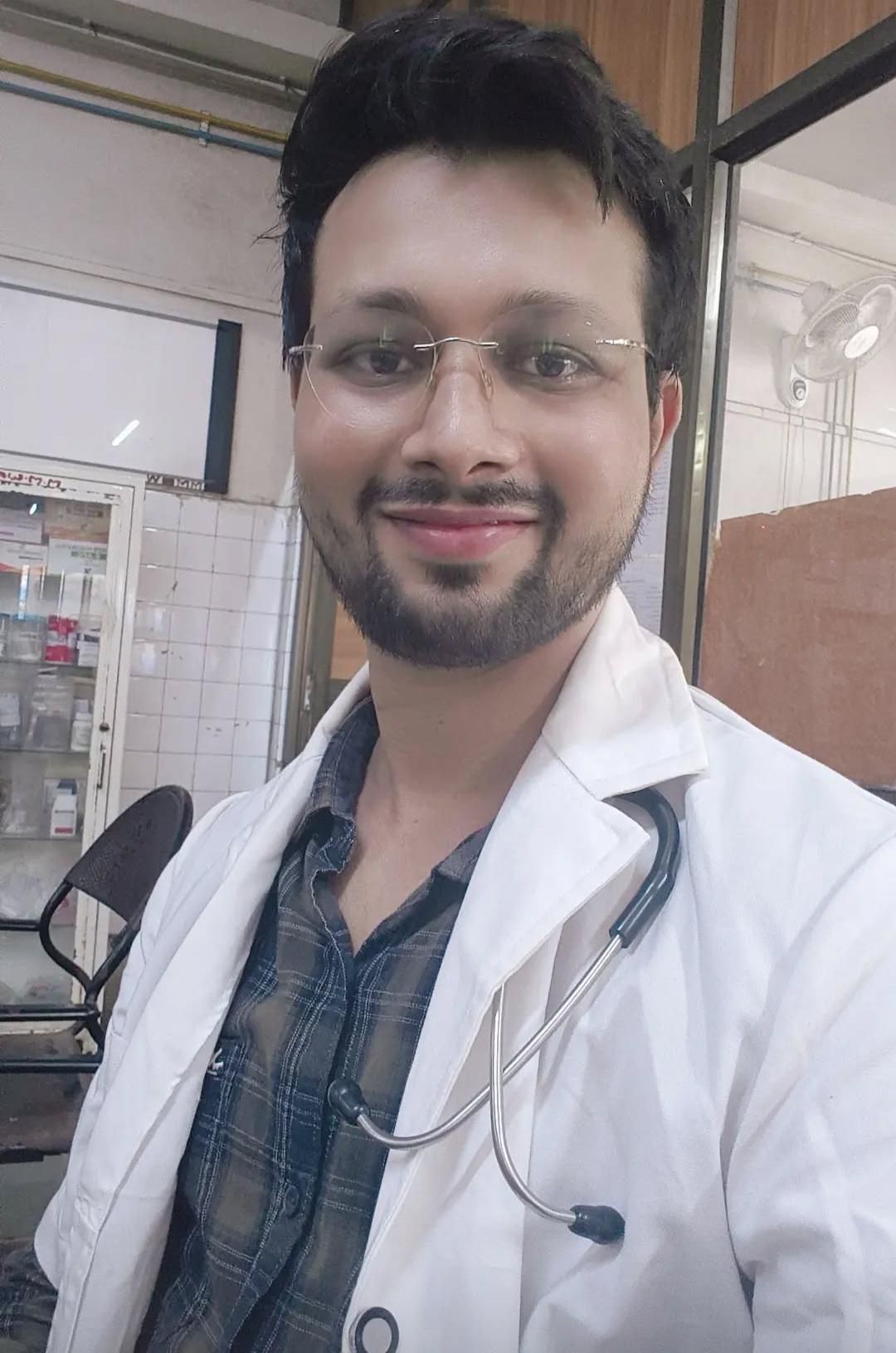
 Dr Aniket
Key takeaways
- Diabetes is a long-term condition where blood sugar levels are too high; Type 2 is most common in India.
- Recognise symptoms like increased thirst, frequent urination, tiredness, and slow-healing wounds.
- General Physicians, like Dr Aniket in Pune, are crucial for diagnosis, treatment plans, and ongoing management.
- Online consultations with Dr Aniket offer convenient access to expert advice on diet, exercise, and medication.
- Effective self-care, including diet, exercise, and regular monitoring, is vital for managing diabetes.
- Seek urgent in-person care for very high or low sugar readings, severe vomiting, confusion, or drowsiness.
What is Diabetes?
Diabetes is a chronic condition that affects how your body turns food into energy. Normally, your body breaks down food into glucose (sugar) and releases it into your bloodstream. When your blood sugar goes up, it signals your pancreas to release insulin.
Insulin acts like a key to let blood sugar into your body’s cells for use as energy. If you have diabetes, your body either doesn’t make enough insulin or can’t use the insulin it makes as well as it should. This causes too much blood sugar to stay in your bloodstream, which can lead to serious health problems over time.
In India, Type 2 diabetes is the most common form. It often develops slowly, and symptoms might not be obvious at first. Managing it involves a combination of diet, physical activity, medication, and regular monitoring of blood sugar levels.
Recognising the Symptoms and Risk Factors
Knowing the signs of diabetes can help you seek timely care. Many people with Type 2 diabetes may not notice symptoms in the early stages, or they might be mild. However, it's important to be aware of the common indicators.
If you experience any of these symptoms, it's a good idea to speak with a healthcare professional. Early diagnosis and management can prevent complications.
- Increased thirst and frequent urination
- Feeling constantly tired or fatigued
- Wounds that heal very slowly
- Blurred vision
- Unexplained weight loss
- Frequent infections, such as gum or skin infections
How a General Physician Manages Diabetes
A General Physician like Dr Aniket plays a crucial role in the initial diagnosis and ongoing management of diabetes. They are often the first point of contact for patients and can provide comprehensive care.
Your General Physician will help you understand your condition, develop a personalised management plan, and monitor your progress. This plan usually includes advice on diet, exercise, and may involve prescribing medications to help control your blood sugar levels.
Regular follow-ups with your General Physician are important to adjust treatment as needed and to screen for potential complications associated with diabetes. They can also guide you on lifestyle changes that are essential for long-term health.
Your Online Consultation with Dr Aniket from Pune
Consulting with Dr Aniket online through Caremeez offers a convenient way to get expert medical advice from the comfort of your home in Pune. Dr Aniket is a General Physician with over 5 years of experience, including significant expertise in treating diabetic patients and handling medical emergencies.
During your online consultation, you can discuss your symptoms, current health concerns, and any questions you have about diabetes management. Dr Aniket can provide guidance on monitoring your blood sugar, suggest dietary modifications, recommend exercise routines, and review your medication plan.
Dr Aniket is available for consultations during morning (8 am to 12 pm), afternoon (12 pm to 4 pm), evening (4 pm to 8 pm), and night (8 pm to 12 am) slots, making it easy to find a time that suits you. He speaks Marathi and Hindi, ensuring clear communication. His per-minute rate on Caremeez is ₹20.
Essential Self-Care for Diabetes Management
Managing diabetes successfully largely depends on consistent self-care. While professional guidance is vital, your daily habits make a big difference in controlling your blood sugar levels and preventing complications.
Making these lifestyle changes can significantly improve your quality of life with diabetes. Always discuss any major changes to your diet or exercise routine with your doctor.
Regular monitoring of your blood sugar levels at home, as advised by your doctor, is also a critical part of self-care. This helps you and your doctor understand how your body is responding to treatment and lifestyle changes.
- Follow a balanced diet rich in whole grains, fruits, vegetables, and lean proteins. Limit sugary drinks and processed foods.
- Engage in regular physical activity, aiming for at least 30 minutes of moderate exercise most days of the week.
- Maintain a healthy weight, as excess weight can make diabetes harder to manage.
- Take prescribed medications exactly as directed by your doctor.
- Quit smoking and limit alcohol consumption.
When to Seek Urgent or In-Person Care
While online consultations are very helpful for managing diabetes, there are specific situations where you must seek urgent in-person medical attention. These situations indicate a severe blood sugar imbalance or other serious complications that require immediate professional care.
If you experience any of these symptoms, do not delay. Go to the nearest hospital or emergency room immediately. For less urgent concerns or initial testing, if you have symptoms or risk factors like a family history of diabetes, excess weight, or high blood pressure, get tested by a doctor.
Remember, early detection and prompt action in emergencies can save lives and prevent long-term damage.
- Very high or very low blood sugar readings that don't respond to usual treatment.
- Persistent vomiting or severe diarrhoea.
- Feeling confused, disoriented, or unusually drowsy.
- Loss of consciousness or seizures.
- Severe abdominal pain or difficulty breathing.
Dr Aniket's Approach to Diabetes Care
As a General Physician based in Pune, Dr Aniket brings over 5 years of experience to his practice, with a specific focus on treating diabetic patients. His qualifications include MBBS, CCEBDM, and CEM, which contribute to his comprehensive understanding of patient care.
Dr Aniket's approach to diabetes care involves not just managing blood sugar levels, but also educating patients on how to live well with the condition. He understands the importance of personalised advice, considering each patient's unique lifestyle and health needs.
His experience in handling medical emergencies also means he is well-equipped to recognise and guide patients on when to seek immediate in-person care for acute diabetes-related issues. Through Caremeez, Dr Aniket offers accessible and reliable online support to patients in Pune and beyond.
Frequently asked questions
What is the main difference between Type 1 and Type 2 diabetes?
Can diabetes be cured?
What diet changes are best for managing diabetes in India?
How often should I check my blood sugar levels?
Talk to Dr Aniket online
₹20 per minute, chat, voice or video, pay only for the minutes you use.
This guide is general information, not a diagnosis or treatment plan. It was generated with AI assistance from the professional's public profile and standard clinical guidance, and is not a substitute for a consultation. In an emergency, contact the nearest hospital or local emergency services.