
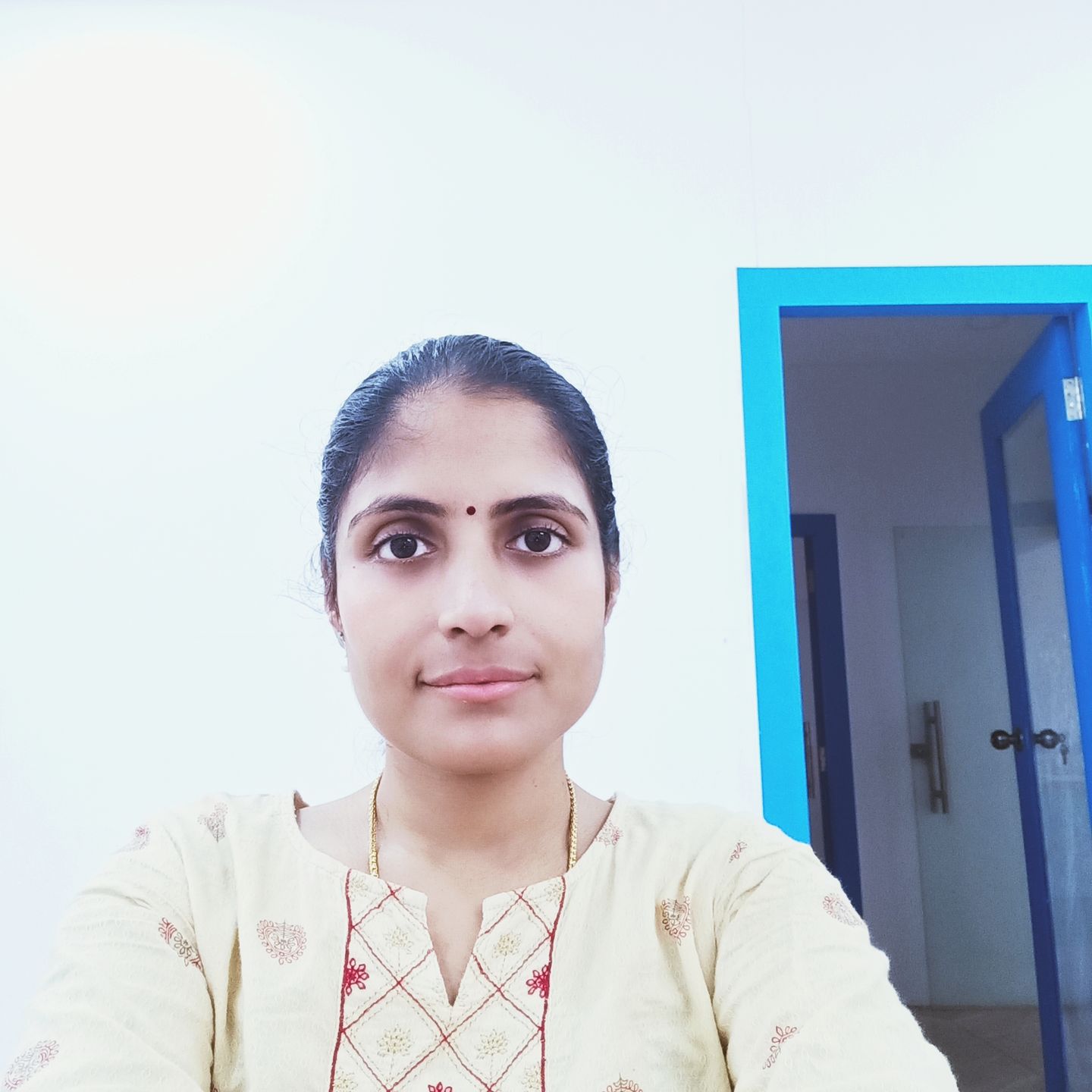
 Dr Pallavi Chaitanya
Key takeaways
- Diabetes is a long-term condition where blood sugar levels are too high, with Type 2 being common in India.
- Watch out for symptoms like increased thirst, frequent urination, tiredness, and slow-healing wounds.
- Lifestyle changes, including diet and exercise, are crucial for managing diabetes effectively.
- Dr Pallavi Chaitanya, a General Physician with a Diploma in Diabetology, offers expert online consultations for diabetes management in Tirupati.
- Seek urgent in-person care for very high or very low blood sugar, severe vomiting, or confusion.
- Regular monitoring and adherence to your doctor's advice are key to preventing diabetes complications.
Understanding Diabetes: What Is It?
Diabetes is a chronic condition that affects how your body turns food into energy. When you eat, your body breaks down carbohydrates into glucose, a type of sugar, which enters your bloodstream. Your pancreas then makes a hormone called insulin, which acts like a key to let blood sugar into your cells for energy.
With diabetes, your body either does not make enough insulin or cannot use the insulin it makes as well as it should. This causes too much sugar to stay in your blood. Over time, high blood sugar can lead to serious health problems like heart disease, kidney disease, and nerve damage.
Type 2 diabetes is the most common type, especially in India. It often develops gradually, and many people do not realise they have it in the early stages. This type is usually managed with changes to diet, regular physical activity, medication, and consistent monitoring of blood sugar levels.
Recognising Diabetes: Symptoms to Watch For
It is important to be aware of the common signs of diabetes. Catching these symptoms early can help in getting timely diagnosis and starting management.
If you notice any of these symptoms, it is advisable to speak to a doctor. Early detection can help prevent complications and improve your long-term health.
Remember, these symptoms can sometimes be mild and may not seem urgent. However, they are your body's way of telling you something might be wrong.
- Increased thirst and a dry mouth
- Needing to urinate more often than usual, especially at night
- Feeling very tired or lacking energy
- Slow-healing cuts or wounds
- Blurred vision
- Unexplained weight loss
Causes and Risk Factors for Diabetes
While the exact cause of Type 2 diabetes is not fully understood, it is believed to be a combination of genetic and lifestyle factors. Your body's ability to use insulin properly can be affected by several things.
Some common risk factors include having a family history of diabetes, being overweight or obese, and leading a sedentary lifestyle. High blood pressure and high cholesterol levels also increase your risk. In India, a genetic predisposition combined with changing dietary habits and reduced physical activity has contributed to the rise in diabetes cases.
Understanding these risk factors can help you take proactive steps. Even if you have some risk factors, adopting a healthier lifestyle can significantly reduce your chances of developing diabetes or help manage it if you already have it.
How a General Physician Manages Diabetes
A General Physician, especially one with a special interest in diabetology like Dr Pallavi Chaitanya, plays a crucial role in diagnosing and managing diabetes. They are often the first point of contact and can guide you through the initial steps.
Their approach involves a thorough assessment of your symptoms, medical history, and lifestyle. They will typically recommend blood tests to confirm a diagnosis, such as fasting blood sugar, post-prandial blood sugar, and HbA1c tests. Once diagnosed, they help you understand your condition and create a personalised management plan.
This plan usually includes dietary advice, recommendations for physical activity, and sometimes medication to help control blood sugar. Regular follow-ups are essential to monitor your progress, adjust treatment as needed, and address any concerns you may have. Dr Pallavi Chaitanya's Diploma in Diabetology further strengthens her ability to provide comprehensive care for patients with diabetes.
Online Consultation with Dr Pallavi Chaitanya in Tirupati
If you are in Tirupati and looking for expert advice on diabetes, an online consultation with Dr Pallavi Chaitanya can be a convenient and effective option. With over 8 years of experience as a General Physician and a Diploma in Diabetology, she is well-equipped to provide guidance.
During an online consultation, Dr Pallavi Chaitanya, known for being keen in listening to patients and diagnosing, will discuss your symptoms, medical history, and any existing test results. She is very patient in explaining treatment options and providing least invasive care, ensuring you understand your condition and the proposed management plan.
Her interest in teleconsultations means she is adept at providing care remotely. You can consult with her from the comfort of your home in Tirupati during her available slots: Morning (8 am to 12 pm), Afternoon (12 pm to 4 pm), and Night (8 am to 12 pm). The per-minute rate for her consultation on Caremeez is ₹25, making quality healthcare accessible.
Whether you need an initial assessment, advice on managing your blood sugar, or guidance on lifestyle changes, Dr Pallavi Chaitanya can offer personalised support and help you navigate your diabetes journey.
Self-Care and Lifestyle Tips for Diabetes Management
Managing diabetes effectively often involves making healthy lifestyle choices every day. These choices work alongside any medication prescribed by your doctor to keep your blood sugar levels stable.
Focus on a balanced diet rich in whole grains, fruits, vegetables, and lean proteins. Limit sugary drinks, processed foods, and excessive amounts of unhealthy fats. Regular physical activity, even moderate walking for 30 minutes most days of the week, can make a big difference.
It is also crucial to monitor your blood sugar regularly as advised by your doctor and take your medications consistently. Managing stress through relaxation techniques and ensuring adequate sleep are also important aspects of overall diabetes care. Always work closely with a healthcare professional like Dr Pallavi Chaitanya to tailor these tips to your specific needs.
- Eat a balanced diet with plenty of fruits, vegetables, and whole grains.
- Engage in regular physical activity, aiming for at least 30 minutes most days.
- Monitor your blood sugar levels as recommended by your doctor.
- Take all prescribed medications exactly as instructed.
- Manage stress through yoga, meditation, or hobbies.
- Ensure you get enough restful sleep each night.
When to Seek Urgent or In-Person Care
While online consultations are excellent for ongoing management and advice, there are situations where you need immediate in-person medical attention. It is vital to recognise these signs and act quickly.
If your blood sugar levels are extremely high or very low, and you are feeling unwell, it is a medical emergency. Do not delay in seeking help. Urgent care is also needed if you experience severe vomiting, confusion, or drowsiness.
These symptoms can indicate serious complications that require immediate medical intervention in a hospital setting. Always prioritise your safety and head to the nearest emergency room or call for an ambulance if you suspect a critical situation. Online consultations are not a substitute for emergency care.
- Very high blood sugar levels that do not respond to usual treatment.
- Very low blood sugar levels (hypoglycaemia) with severe symptoms like confusion or loss of consciousness.
- Severe vomiting or diarrhoea, especially if you cannot keep fluids down.
- Feeling confused, disoriented, or unusually drowsy.
- Sudden changes in vision or severe pain in any part of the body.
Frequently asked questions
Can diabetes be completely cured?
What kind of diet is best for managing diabetes in India?
How often should I check my blood sugar levels?
Is walking enough exercise for managing diabetes?
Talk to Dr Pallavi Chaitanya online
₹25 per minute, chat, voice or video, pay only for the minutes you use.
This guide is general information, not a diagnosis or treatment plan. It was generated with AI assistance from the professional's public profile and standard clinical guidance, and is not a substitute for a consultation. In an emergency, contact the nearest hospital or local emergency services.